
Benefits of modern High-Efficiency AC Systems
Air conditioning has evolved significantly over the past decade. Today's commercial HVAC systems are smarter, quieter, and far more energy-efficient than older models. As utility costs continue to rise and businesses focus on reducing operating expenses, upgrading to a high-efficiency air conditioning system has become a practical investment rather than a luxury.
Whether you own an office building, retail center, healthcare facility, warehouse, or hotel, replacing outdated equipment with modern technology can improve comfort, reduce maintenance costs, and significantly lower monthly energy bills.
Why Older AC Systems Cost More Than You Think
Many commercial air conditioning systems remain in service well beyond their intended lifespan. While an older unit may still provide cooling, it often operates at a much lower efficiency than modern equipment.
Over time, components wear out, refrigerant systems become less efficient, motors lose performance, and electrical parts begin consuming more power. As a result, business owners often experience:
- Increasing utility bills
- Frequent repair calls
- Uneven cooling throughout the building
- Excessive noise
- Poor humidity control
- Declining indoor air quality
In many cases, the hidden costs of maintaining an aging system exceed the investment required for a replacement.
Higher Energy Efficiency Means Lower Operating Costs
One of the biggest advantages of modern AC systems is dramatically improved energy efficiency.
Today's commercial equipment incorporates advanced technologies such as:
- Variable-speed compressors
- Electronically commutated (ECM) fan motors
- Smart thermostats
- Variable refrigerant flow (VRF)
- High-efficiency heat exchangers
- Intelligent building controls
Instead of constantly cycling on and off, modern systems automatically adjust their output based on the building's actual cooling demand.
This results in lower electricity consumption without sacrificing indoor comfort.
For many businesses, reduced energy usage translates into thousands of dollars in annual savings.
Better Indoor Comfort
Employee productivity and customer satisfaction are directly affected by indoor temperatures.
Older HVAC systems frequently create uncomfortable hot and cold spots because they struggle to distribute conditioned air evenly throughout the building.
Modern air conditioning systems deliver:
- More consistent temperatures
- Improved airflow
- Better humidity control
- Faster cooling response
- Quieter operation
The result is a more comfortable environment for employees, customers, and visitors throughout every season.
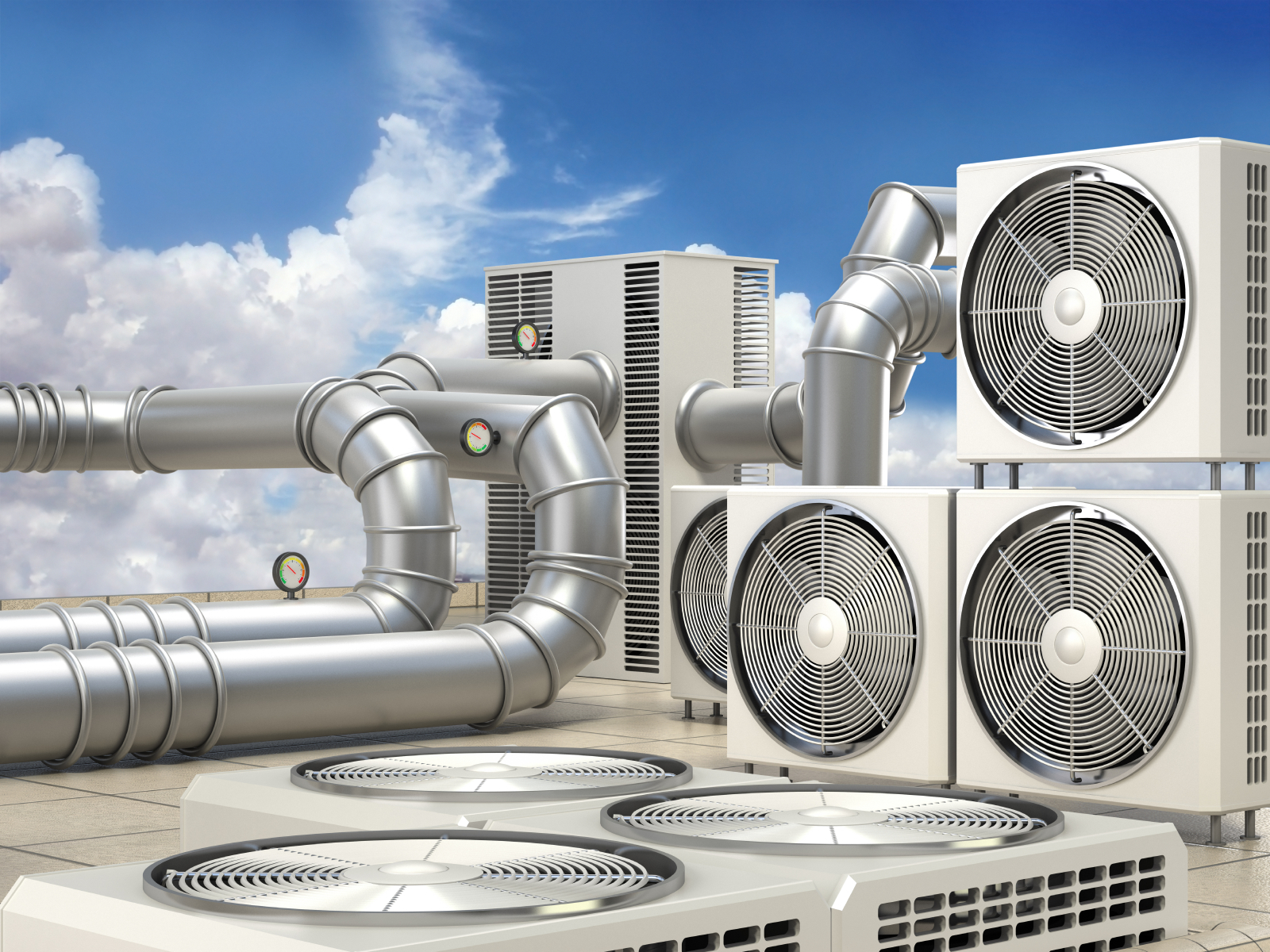
Improved Indoor Air Quality
Air quality has become an increasingly important priority for commercial buildings.
Modern HVAC systems do far more than regulate temperature. They also help remove airborne contaminants through advanced filtration and ventilation technologies.
New equipment can reduce:
- Dust
- Allergens
- Pollen
- Airborne particles
- Excess humidity
- Indoor pollutants
Cleaner indoor air contributes to healthier work environments while improving occupant comfort.
Smart Controls Increase Efficiency
One of the most significant improvements in modern HVAC technology is intelligent system automation.
Smart building controls allow facility managers to monitor and adjust HVAC performance remotely.
These systems can:
- Schedule operating hours
- Automatically adjust temperatures
- Monitor equipment performance
- Detect maintenance issues early
- Optimize airflow
- Reduce unnecessary energy use
Automation ensures the air conditioning system only works as hard as necessary, reducing both energy consumption and equipment wear.
Lower Maintenance Requirements
While every HVAC system requires routine maintenance, newer equipment generally experiences fewer mechanical failures than aging systems.
Modern components are designed for greater durability and reliability.
Preventive maintenance remains important, but newer systems often require:
- Fewer emergency repairs
- Less downtime
- Lower repair costs
- Improved equipment reliability
For businesses that rely on uninterrupted climate control, this increased dependability is a major advantage.
Environmentally Friendly Operation
Many older air conditioning systems use refrigerants that are being phased out due to environmental regulations.
Modern HVAC equipment utilizes newer refrigerants with lower environmental impact while operating much more efficiently.
Lower electricity consumption also reduces carbon emissions associated with building operations, helping businesses meet sustainability goals without compromising comfort.
When Is It Time to Replace Your Rooftop AC Unit?
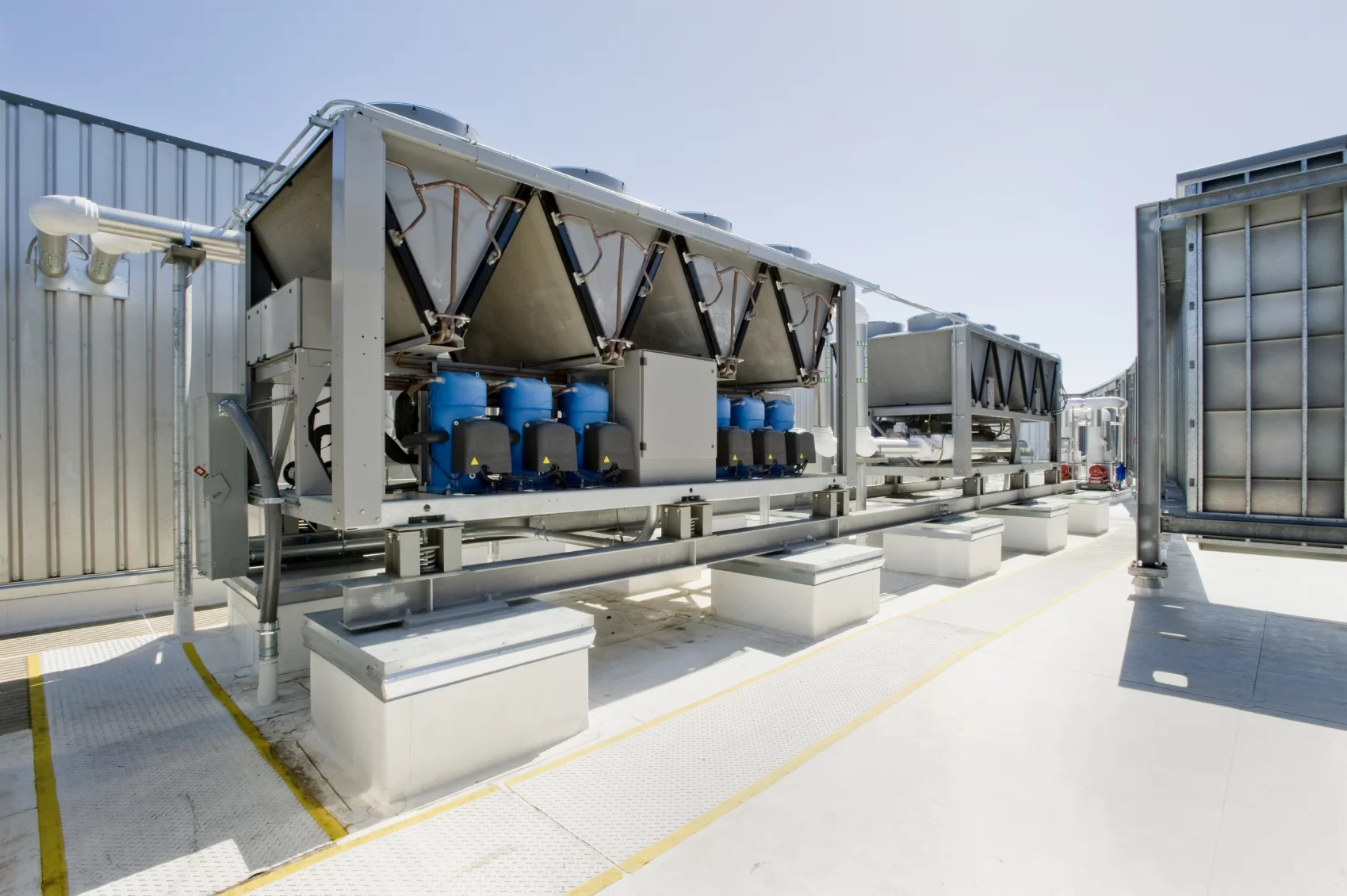
Many commercial properties rely on rooftop HVAC equipment because it saves indoor space and simplifies servicing.
However, rooftop units are constantly exposed to harsh weather conditions, including heat, rain, snow, wind, and UV radiation. Over time, this exposure accelerates wear and reduces efficiency.
If your rooftop system is more than 15 years old, requires frequent repairs, or struggles to maintain comfortable indoor temperatures, it may be time to replace rooftop AC unit equipment rather than continue investing in repairs.
Choosing to replace rooftop AC unit components with modern high-efficiency models often leads to immediate improvements in performance, reliability, and energy savings.
Increased Property Value
Energy-efficient building systems have become an attractive feature for tenants, investors, and commercial property buyers.
Modern HVAC equipment can increase property value by:
- Lowering operating expenses
- Improving building performance
- Supporting sustainability initiatives
- Enhancing tenant satisfaction
- Reducing future capital repair needs
For commercial real estate owners, HVAC upgrades often become a competitive advantage in the marketplace.
Professional Installation Makes the Difference
Even the most advanced air conditioning system cannot perform properly if it is installed incorrectly.
Professional commercial HVAC contractors carefully evaluate:
- Building size
- Occupancy levels
- Cooling load calculations
- Ductwork design
- Ventilation requirements
- Electrical capacity
Proper equipment sizing and expert installation ensure the new system delivers maximum efficiency and long-term reliability.
Investing in a modern high-efficiency air conditioning system is one of the smartest ways to reduce operating costs while improving comfort, indoor air quality, and overall building performance. Today's HVAC technology offers substantial advantages over older equipment, including lower energy consumption, quieter operation, smarter controls, and fewer unexpected repairs.
For businesses operating aging rooftop equipment, deciding to replace rooftop AC unit systems before a major failure occurs can prevent costly downtime and significantly improve long-term efficiency. When paired with professional installation and regular preventive maintenance, a high-efficiency commercial AC system provides dependable performance and measurable savings for many years to come.