
Why is my AC not cooling?
Few things are more frustrating than turning on your air conditioner during a hot summer day only to discover that it's blowing warm air. An AC system that isn't cooling properly can quickly make your home or business uncomfortable, increase energy bills, and put unnecessary strain on the equipment. While some issues have simple solutions, others require professional attention to prevent more serious damage.
If you're asking, "Why is my AC not cooling?", you're not alone. This is one of the most common HVAC service calls every summer. Understanding the possible causes can help you identify the problem early and determine whether it's something you can address yourself or if it's time to call an experienced HVAC technician.
Check Your Thermostat First
It may sound obvious, but the thermostat is often the source of the problem.
Before assuming your air conditioner has failed, make sure the thermostat is set to Cooling Mode and that the desired temperature is lower than the current room temperature. Accidentally switching the system to "Fan Only" can cause the unit to circulate air without actually cooling it.
If your thermostat uses batteries, replace them if necessary. A weak battery can interfere with communication between the thermostat and your HVAC system.
Smart thermostats should also be checked for scheduling errors or software settings that may prevent the system from operating correctly.
Dirty Air Filters Restrict Airflow
One of the simplest and most common reasons an AC stops cooling efficiently is a clogged air filter.
As filters collect dust, pollen, pet hair, and other airborne particles, airflow becomes restricted. The system has to work much harder to push air through the filter, reducing cooling performance and increasing energy consumption.
In severe cases, restricted airflow may even cause the evaporator coil to freeze, preventing the system from cooling altogether.
Replacing your air filter every one to three months is one of the easiest ways to improve HVAC performance and extend equipment life.
Refrigerant Levels May Be Low
Refrigerant is the substance responsible for absorbing heat from inside your home and releasing it outdoors.
If refrigerant levels become too low due to a leak, your air conditioner cannot remove heat efficiently. You may notice that the system runs continuously without reaching the desired temperature or that warm air blows from the vents.
Other signs of a refrigerant leak include:
- Ice forming on refrigerant lines
- Hissing or bubbling sounds
- Higher electric bills
- Longer cooling cycles
- Reduced airflow
Because refrigerant handling requires specialized equipment and certification, this issue should always be addressed by a licensed HVAC professional.
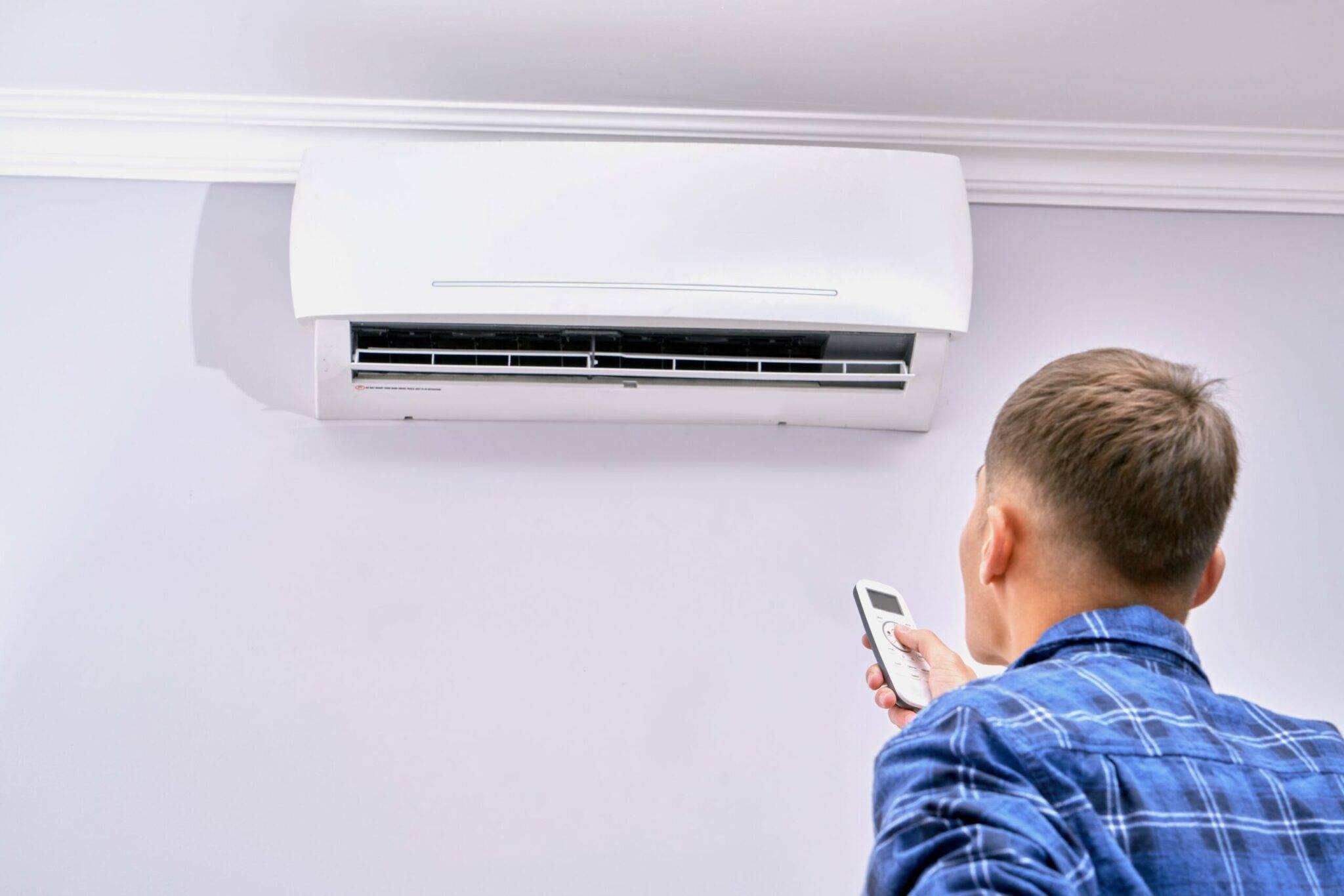
Frozen Evaporator Coil
A frozen evaporator coil can completely stop the cooling process.
This problem is commonly caused by restricted airflow, dirty filters, blocked vents, low refrigerant levels, or malfunctioning blower fans.
If you notice ice covering the indoor unit or refrigerant lines, turn off the cooling system and allow the ice to melt before restarting the equipment.
However, simply melting the ice won't solve the underlying problem. A professional inspection is necessary to identify the cause and prevent the issue from returning.
Dirty Outdoor Condenser Unit
Your outdoor condenser releases heat collected from inside the building.
Over time, dirt, leaves, grass clippings, and debris accumulate around the condenser coils, making it difficult for the unit to release heat effectively.
Poor airflow around the outdoor unit reduces cooling efficiency and forces the compressor to work harder.
Keeping the area around the condenser clean and maintaining at least two feet of open space around the equipment helps improve performance.
Annual professional coil cleaning provides even better results.
Electrical Problems
Modern HVAC systems rely on numerous electrical components working together.
Faulty capacitors, worn contactors, damaged wiring, blown fuses, or malfunctioning circuit breakers can all prevent the air conditioner from cooling properly.
Sometimes the indoor blower continues operating while the outdoor condenser fails to start, causing warm air to circulate throughout the home.
Electrical problems should never be ignored, as they may lead to larger equipment failures if left unresolved.
Leaky or Damaged Ductwork
Even if your air conditioner is producing cold air, damaged ductwork can prevent that air from reaching your living spaces.
Leaks, disconnected ducts, poor insulation, or crushed duct sections allow conditioned air to escape into attics, crawl spaces, or wall cavities before it reaches occupied rooms.
The result is uneven temperatures, poor airflow, and increased utility bills.
Professional duct inspection and sealing can significantly improve system efficiency and indoor comfort.
An Aging Air Conditioner
Air conditioners naturally lose efficiency as they age.
Most central AC systems last between 15 and 20 years with proper maintenance. As internal components wear out, cooling capacity gradually declines, even if the equipment continues to operate.
If your older system requires frequent repairs, struggles to maintain comfortable temperatures, and causes rising energy bills, replacing it with a modern high-efficiency unit may be the most cost-effective solution.
New systems cool more effectively while using considerably less electricity than older models.
Commercial Cooling Problems
Cooling issues don't only affect homeowners. Businesses depend on reliable air conditioning to keep customers comfortable, protect inventory, and maintain employee productivity.
For retail stores, HVAC failures can directly impact customer experience and sales. Warm indoor temperatures may discourage shoppers from staying longer or returning in the future. That's why prompt retail AC repair is essential whenever cooling performance begins to decline. Fast diagnosis and professional repairs help businesses minimize downtime while maintaining a comfortable shopping environment throughout the busiest seasons.
Routine maintenance is especially important for commercial HVAC systems because they often operate for extended hours every day.
How Preventive Maintenance Helps
Many AC cooling problems can be prevented through regular maintenance.
Annual HVAC inspections allow technicians to identify worn components, clean coils, check refrigerant levels, inspect electrical connections, replace filters, and verify overall system performance before small issues become expensive repairs.
Preventive maintenance also improves energy efficiency, extends equipment lifespan, reduces utility bills, and lowers the risk of unexpected breakdowns during the hottest months of the year.
A well-maintained air conditioner is far more likely to deliver consistent, reliable cooling when you need it most.
When to Call an HVAC Professional
While homeowners can safely replace air filters and check thermostat settings, most cooling problems require professional diagnosis.
If your AC continues blowing warm air, cycles constantly, makes unusual noises, leaks water, freezes up, or struggles to cool your home despite basic troubleshooting, it's time to schedule a professional inspection.
Prompt repairs often prevent additional damage and help avoid more expensive service later.
An air conditioner that isn't cooling properly can result from something as simple as a dirty filter or as complex as a refrigerant leak or failing compressor. Identifying the cause early not only restores comfort more quickly but also helps protect your HVAC system from unnecessary wear and costly repairs.
At Atlantic HVAC, our experienced technicians provide expert diagnostics, maintenance, and repair services for residential and commercial cooling systems. Whether you're dealing with weak airflow, warm air, frozen coils, or an aging AC unit, our team is committed to delivering reliable solutions that restore comfort, improve efficiency, and keep your property cool all summer long.