
Commercial AC installation guide
A reliable air conditioning system is essential for keeping commercial buildings comfortable during hot weather. For businesses, however, installing commercial AC is about much more than choosing a powerful cooling unit. The system must match the building's size, layout, occupancy, operating schedule, ventilation requirements, and existing infrastructure.
A properly planned installation can provide consistent temperatures, improve energy efficiency, and reduce the likelihood of unexpected breakdowns. Poor equipment selection or installation, on the other hand, can lead to uneven cooling, high utility bills, excessive wear, and frequent service calls.
Whether you are opening a new business, expanding an existing property, or replacing an aging air conditioner, understanding the installation process can help you make a better decision.
When does a commercial building need a new AC System?
Replacing commercial air conditioning is not always necessary simply because the equipment is old. However, several signs indicate that it may be time to consider a new system.
Frequent repairs are one of the most obvious warning signs. If a business is repeatedly paying for compressor, electrical, refrigerant, or control repairs, replacement may make more financial sense than continuing to invest in aging equipment.
Other common indicators include:
- Inconsistent temperatures between rooms or zones
- Air conditioning that struggles during hot weather
- Increasing energy consumption
- Unusual noises or odors
- Frequent system shutdowns
- Poor airflow
- Outdated or difficult-to-source components
- Rising maintenance costs
A professional HVAC contractor can evaluate the existing equipment and determine whether repair, replacement, or a system upgrade is the most practical solution.
Step 1: Evaluate the building
Every commercial AC installation should begin with a detailed assessment of the property.
Square footage is important, but it is only one factor. Contractors also need to consider ceiling height, insulation, windows, building orientation, occupancy, lighting, equipment that generates heat, and how the space is used throughout the day.
A retail store with large glass windows and frequent door openings may have significantly different cooling requirements from an office with limited occupancy. A restaurant kitchen creates additional heat that must be considered separately from the dining area.
Professional load calculations help determine the amount of cooling capacity the building actually needs.
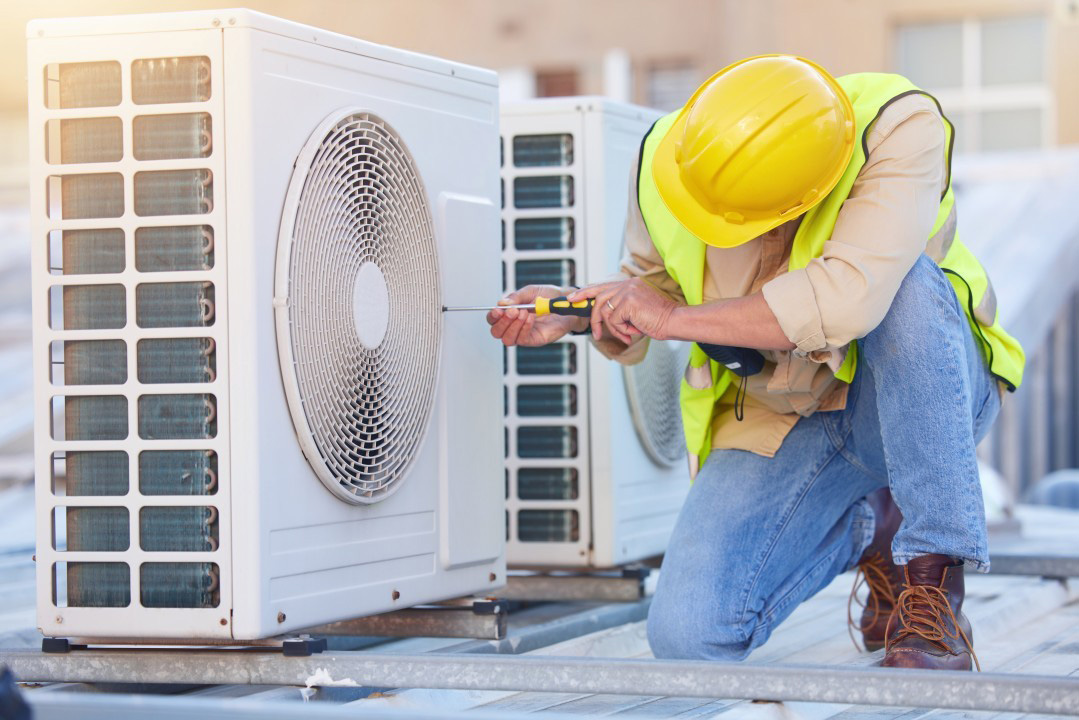
Step 2: Choose the right type of commercial AC
There are several types of air conditioning systems suitable for commercial applications. The best option depends on the property and its specific requirements.
Rooftop Units
Rooftop HVAC units are widely used in commercial buildings because they keep major equipment outside the occupied space. They can provide cooling and, depending on the configuration, heating and ventilation as well.
Rooftop systems are commonly found in retail stores, restaurants, offices, and other commercial properties. They can also simplify service access because technicians can work on the equipment without entering customer-facing areas.
Split Systems
Commercial split systems separate the indoor and outdoor components. They can be useful for smaller commercial properties, individual zones, additions, and buildings where a rooftop system is not practical.
The flexibility of split systems makes them suitable for many different layouts, but proper sizing and installation remain essential for reliable performance.
Ductless Systems
Ductless air conditioning can be an excellent option when installing or extending traditional ductwork would be difficult or expensive.
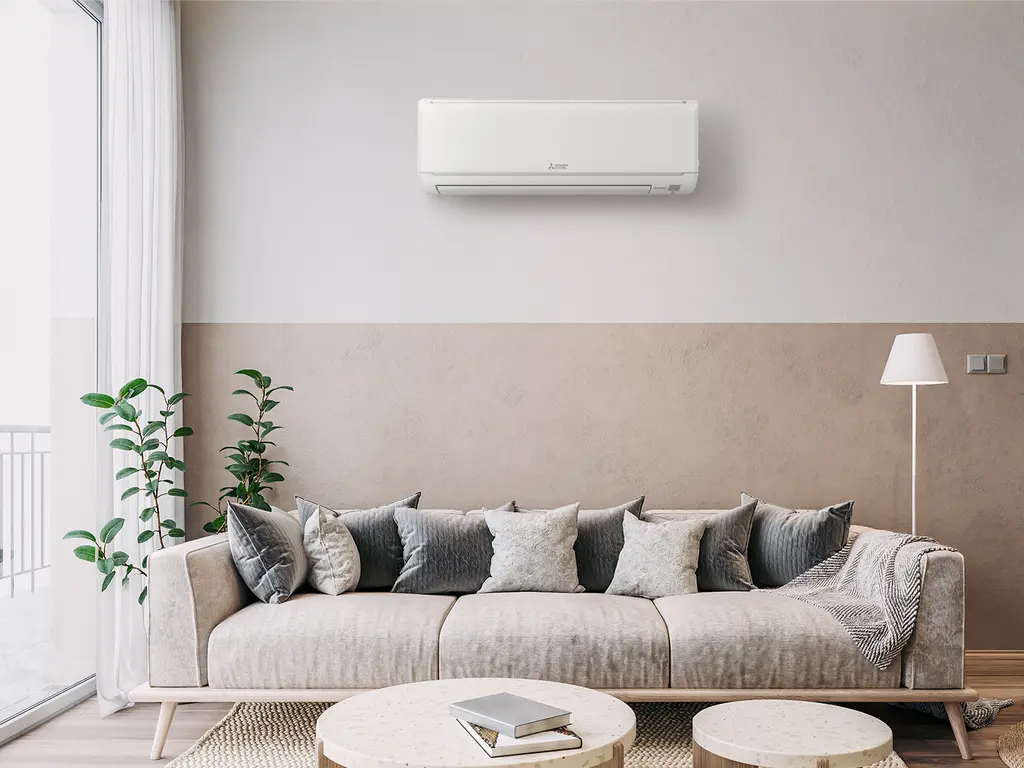
A ductless system uses indoor air-handling units connected to an outdoor condenser. Multiple indoor units can often serve different areas, providing greater zoning flexibility.
Ductless AC installation may be particularly useful for older buildings, renovated spaces, additions, offices, or commercial areas where preserving the existing architecture is important.
However, ductless equipment should not be selected solely because it is easy to install. The contractor still needs to assess cooling loads, indoor unit placement, outdoor equipment location, electrical requirements, and drainage.
Step 3: Plan airflow and zoning
Good commercial AC performance depends on more than equipment capacity. Conditioned air must be distributed effectively throughout the building.
Large commercial properties may benefit from multiple zones. For example, a conference room that is occupied only periodically does not necessarily require the same cooling schedule as a busy open office.
Zoning can provide better temperature control and potentially reduce energy waste by allowing different areas to be conditioned according to actual demand.
The location of supply and return air openings also matters. Poorly positioned vents can contribute to hot and cold spots even when the air conditioner itself is operating correctly.
Step 4: Prepare the installation site
Before installing new equipment, the contractor should verify that the site is ready.
This may include checking electrical capacity, structural support, ductwork, refrigerant lines, drainage, controls, and access for maintenance. For rooftop installations, the roof and equipment curb should also be evaluated.
If an existing system is being replaced, technicians may need to remove old equipment and determine whether existing components can safely and effectively be reused.
Good preparation reduces installation delays and helps prevent problems after the system is placed into service.
Step 5: Install the equipment
Commercial AC installation requires careful attention to manufacturer specifications and local requirements.
The process may involve positioning the outdoor unit, installing indoor equipment, connecting refrigerant lines, completing electrical connections, installing or modifying ductwork, configuring controls, and setting up condensate drainage.
For ductless systems, indoor units must be positioned to distribute air effectively without creating uncomfortable drafts. Outdoor units require adequate clearance and proper airflow around the condenser.
Every connection should be installed correctly and inspected before the system is started.
Step 6: Test and commission the system
Starting the air conditioner for the first time does not mean the installation is finished.
A professional technician should verify that the system operates as intended. This includes checking airflow, temperature differences, controls, refrigerant-related parameters, electrical components, drainage, and overall equipment performance.
For larger systems, each zone should be tested individually. Problems discovered during commissioning are much easier to correct before employees and customers depend on the system during the hottest days of the year.
Common commercial AC Installation mistakes
Several installation mistakes can reduce the performance and lifespan of a new system.
One of the most common is oversizing. A larger air conditioner is not automatically better. An oversized unit may cool a space quickly but cycle too frequently, which can affect comfort, humidity control, efficiency, and equipment life.
Another mistake is ignoring airflow. Even correctly sized equipment cannot provide consistent cooling if ducts are poorly designed or air distribution is inadequate.
Improper drainage, insufficient outdoor unit clearance, poor electrical connections, and inadequate access for maintenance can also create problems later.
Finally, choosing equipment based only on the lowest initial price can be costly. Energy consumption, maintenance requirements, reliability, warranty terms, and expected service life should all be considered.
How to keep a new commercial AC System efficient
Proper maintenance should begin immediately after installation. Regular inspections and service help keep the equipment operating efficiently and allow technicians to identify developing problems before they become major repairs.
Filters should be checked and replaced as needed. Coils, electrical components, condensate drains, fans, controls, and other system components should also be inspected according to the equipment and operating conditions.
A maintenance plan is particularly valuable for businesses that depend on air conditioning every day. Preventive service can help reduce unexpected downtime and protect the investment made in new equipment.
Commercial air conditioning is a long-term investment. The right equipment, combined with careful design and professional installation, can improve comfort while helping control operating costs.
Atlantic Mechanical LLC provides commercial HVAC installation and service for businesses throughout New York. The company works with different types of commercial properties and can help determine the most suitable cooling solution based on the building's actual requirements.
Whether you need a complete AC replacement, a new system for a commercial property, or ductless AC installation for a specific area, professional planning is the key to reliable results.
A successful commercial AC project starts with understanding the building, selecting properly sized equipment, installing every component correctly, and testing the system before regular operation. When these steps are handled properly, your air conditioning system can provide dependable cooling and comfortable indoor conditions throughout the summer.