
HVAC Installation for restaurants and retail stores
Restaurants and retail stores have one thing in common: indoor comfort directly affects the customer experience. A dining room that feels too hot, a clothing store with poor airflow, or a checkout area that is uncomfortably cold can quickly change how people perceive a business. At the same time, commercial HVAC systems must handle changing occupancy, long operating hours, equipment heat, and seasonal weather.
That is why HVAC installation for commercial spaces requires more than simply choosing an air conditioner with enough capacity. The system has to match the building, its layout, ventilation requirements, daily schedule, and specific business needs.
For restaurants and retail stores in New York, Atlantic Mechanical LLC provides professional HVAC installation, replacement, and upgrade solutions designed for reliable year-round performance.
Why HVAC Design matters for commercial businesses
A commercial HVAC system works continuously in an environment that can change throughout the day. A retail store may be nearly empty in the morning and crowded in the afternoon. A restaurant can go from a quiet dining room to full capacity within minutes. Kitchen equipment can also generate substantial heat, making temperature control more complicated.
An incorrectly designed or poorly installed system may struggle to maintain a consistent temperature. It can also consume excessive energy, create uneven airflow, and require frequent repairs.
Professional planning starts with an evaluation of the property. HVAC contractors consider the size and layout of the space, ceiling height, windows, insulation, occupancy, equipment loads, operating hours, and existing infrastructure. The goal is to create a system that delivers the required heating, cooling, and ventilation without unnecessary energy consumption.
Restaurant HVAC Installation: What makes it different?
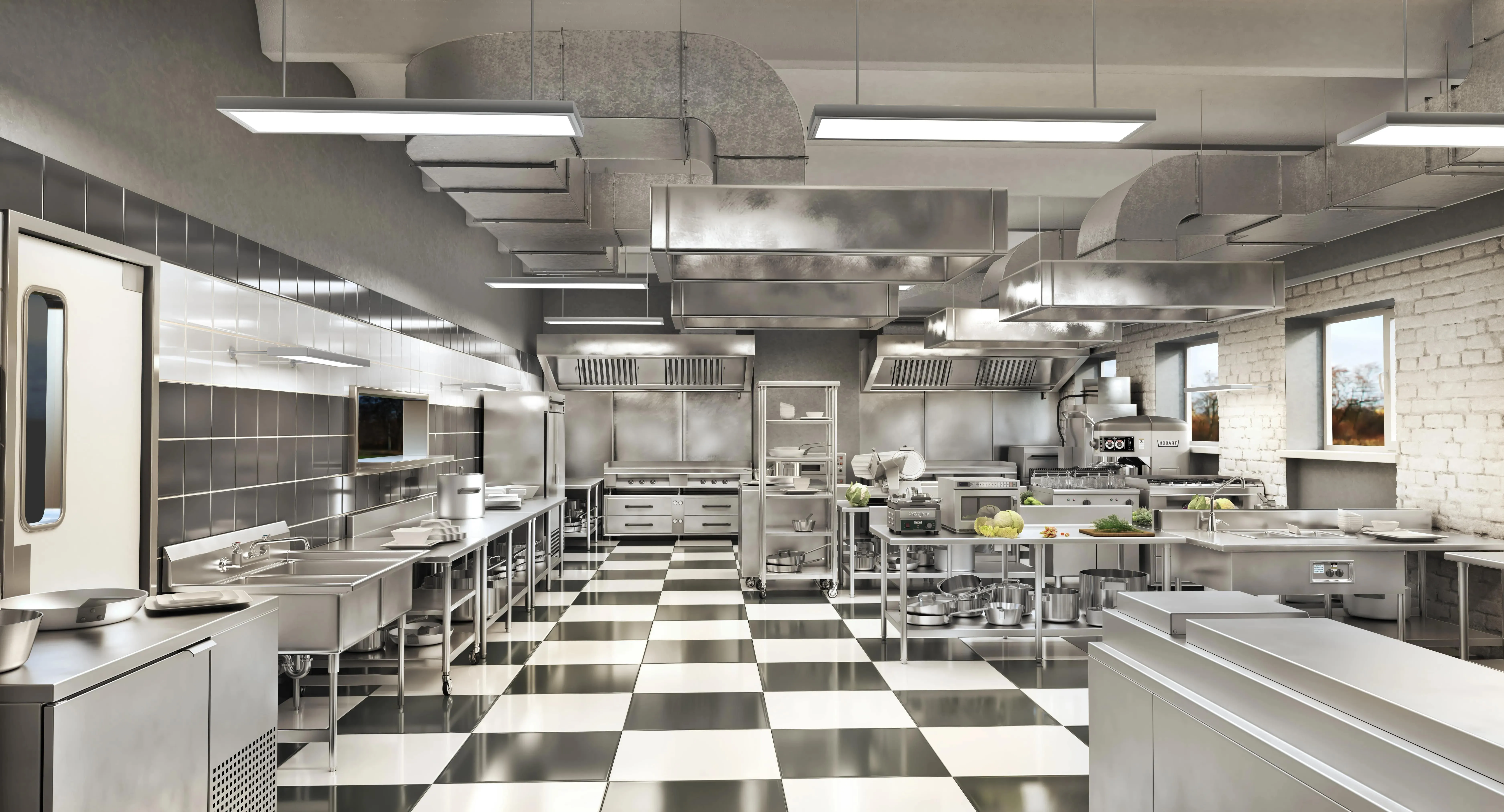
Restaurant HVAC installation has several challenges that do not exist in a typical office or small commercial space. A restaurant usually contains several zones with completely different environmental requirements.
The dining area needs comfortable temperatures and good air quality because customers may remain there for an hour or longer. The kitchen generates heat, moisture, smoke, and odors and therefore requires effective ventilation. Storage areas may have different temperature requirements, while restrooms and service areas also need adequate air circulation.
A properly designed system separates these requirements instead of treating the entire restaurant as one uniform space.
Kitchen ventilation is particularly important. Exhaust systems remove heat, grease, smoke, and cooking odors, while replacement air helps maintain proper pressure and airflow. If these systems are not properly coordinated with the building's HVAC equipment, the restaurant may experience drafts, uncomfortable temperatures, or excessive strain on the heating and cooling system.
The HVAC design should therefore account for both comfort and ventilation from the beginning of the project.
HVAC Solutions for retail stores
Retail HVAC systems have a different set of priorities. Customers expect a comfortable shopping environment regardless of the season, while employees may spend an entire workday inside the same space.
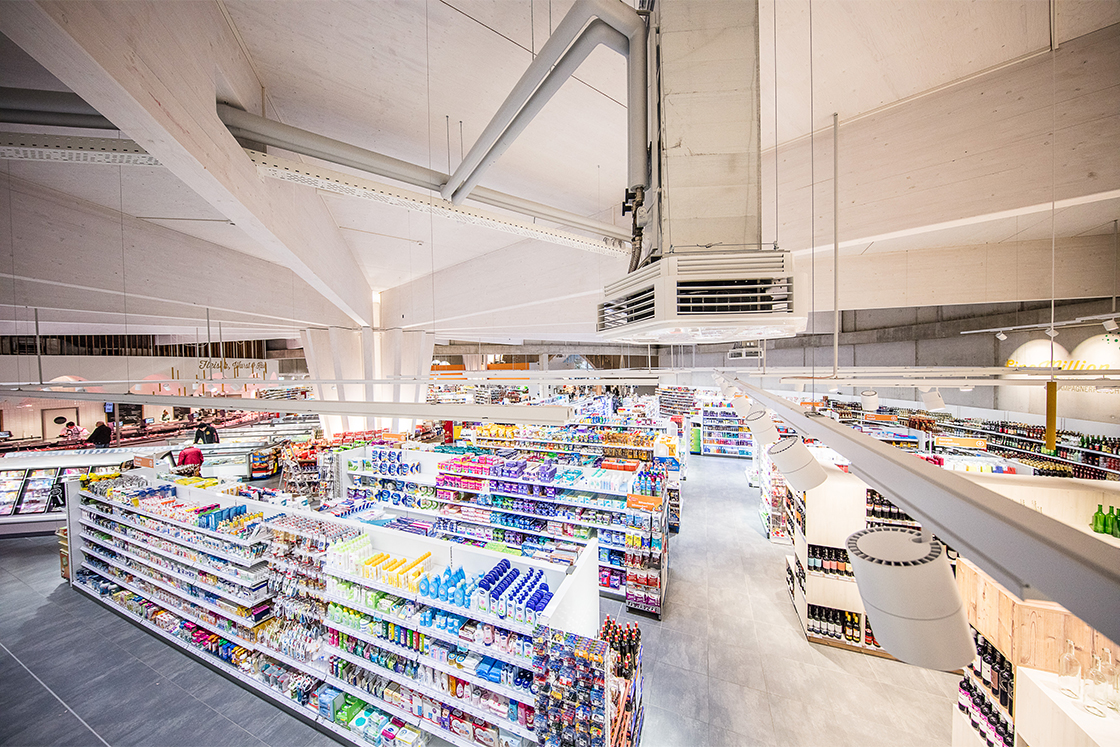
Large storefront windows, frequently opening doors, high ceilings, lighting, computers, and customer traffic can all influence indoor temperatures. In larger stores, one area may also receive more sunlight or experience significantly higher occupancy than another.
Zoned HVAC systems can help address these differences. Instead of heating or cooling the entire property in exactly the same way, different areas can be controlled according to their actual needs.
This approach can improve comfort and may reduce energy waste. For example, a back office, storage room, sales floor, and fitting area do not necessarily require identical temperature settings at every moment.
Rooftop HVAC units are also a practical option for many retail properties. They provide effective climate control while keeping major equipment outside the occupied area and preserving valuable interior space. Atlantic Mechanical installs rooftop HVAC systems for retail centers and other commercial buildings throughout New York.
Choosing the right commercial HVAC System
There is no universal HVAC system that is ideal for every restaurant or retail store. Equipment selection should be based on the building and how it operates.
Depending on the project, businesses may benefit from rooftop units, split systems, packaged equipment, zoned heating and cooling, ventilation systems, or integrated building-wide solutions.
Energy efficiency is another important consideration. Modern commercial HVAC equipment can incorporate variable-speed technology, smart thermostats, advanced controls, and energy recovery ventilation. These technologies can help the system respond more accurately to changing demand instead of constantly operating at maximum capacity.
However, even high-efficiency equipment will not deliver its expected performance if it is incorrectly sized or installed. Proper installation is just as important as the equipment itself.
What a professional HVAC Installation includes
A successful installation begins well before the equipment arrives at the property.
1. Site Assessment
The contractor evaluates the building, existing HVAC infrastructure, electrical requirements, ventilation, occupancy, and business operations. For an existing store or restaurant, the condition of the current system is also considered.
2. HVAC System Design
The next step is developing a system based on the property's actual requirements. This includes determining capacity, airflow, zoning, ventilation, equipment placement, and control requirements.
3. Equipment Selection
Equipment should provide the necessary performance without being unnecessarily oversized. The right choice balances efficiency, reliability, installation requirements, maintenance needs, and the expected operating conditions.
4. Installation
Professional installation includes equipment placement, ductwork or refrigerant connections where applicable, electrical connections, controls, ventilation components, and other system elements.
5. Testing and Commissioning
Before the system is placed into regular operation, technicians verify that it functions correctly. Airflow, temperature performance, controls, and overall system operation should be checked to identify problems before they affect employees or customers.
6. Ongoing Maintenance
Even a well-installed HVAC system requires regular maintenance. Filters, coils, electrical components, thermostats, airflow, and other system elements should be inspected periodically. Preventive maintenance helps identify developing problems before they turn into expensive breakdowns.
How proper installation can reduce business costs
HVAC is one of the major operating expenses for many commercial properties. Poor equipment selection, incorrect sizing, restricted airflow, and installation problems can all increase energy consumption.
A professionally installed system is designed to operate according to the actual demands of the property. Better temperature control can reduce unnecessary heating and cooling, while properly balanced airflow helps distribute conditioned air more effectively.
Reliability is equally important. For a restaurant or retail store, an HVAC failure is not simply a technical inconvenience. It can affect employees, customers, merchandise, food-service operations, and revenue.
Investing in proper installation can therefore help reduce unexpected downtime and avoid repeated corrective repairs.
HVAC Installation for new businesses and renovations
HVAC planning should begin early when opening a new restaurant or retail location. Waiting until construction is nearly complete can create unnecessary complications with ductwork, equipment placement, electrical connections, ventilation, and ceiling space.
For renovations, the challenge is often different. The existing HVAC infrastructure may be outdated or unable to support a new layout or increased occupancy. In these cases, a complete replacement may not always be necessary. An experienced HVAC contractor can evaluate the existing system and determine whether repair, modification, expansion, or replacement makes the most sense.
Atlantic Mechanical works with property owners, business operators, contractors, and project managers to develop HVAC solutions for new installations and commercial renovations throughout New York.
Commercial HVAC projects require careful coordination between equipment, building infrastructure, ventilation, controls, and daily business operations. A residential approach is not always appropriate for a busy restaurant or retail location.
Atlantic Mechanical LLC provides HVAC installation and system upgrade services for commercial properties throughout New York, including restaurants, retail stores, offices, hotels, warehouses, and other facilities. The company evaluates each property individually and focuses on practical solutions that support comfort, efficiency, reliability, and long-term system performance.
A properly designed HVAC system is an investment in the business itself. For restaurants, it helps maintain a comfortable dining environment while supporting kitchen ventilation. For retail stores, it creates a more pleasant shopping experience and stable conditions for employees and merchandise.
Whether you are opening a new location, remodeling an existing space, or replacing an aging HVAC system, professional planning and installation can make a significant difference. The right system should not simply cool or heat the building—it should support the way the business operates every day.