
Common HVAC problems prevented by maintenance
A commercial HVAC system rarely fails without warning. In many cases, small issues develop gradually: airflow becomes weaker, the system runs longer than usual, unusual noises appear, or indoor temperatures become harder to control. If these signs are ignored, a relatively simple repair can eventually turn into an expensive breakdown.
Regular HVAC maintenance helps identify these problems before they interfere with daily business operations. For offices, retail stores, restaurants, warehouses, and other commercial buildings, preventive service is not just about keeping equipment clean. It is about maintaining reliable performance, controlling energy costs, and reducing the risk of unexpected downtime.
Atlantic Mechanical LLC provides professional commercial HVAC maintenance services for businesses throughout New York, helping property owners keep their heating and cooling systems operating efficiently throughout the year.
Why Preventive HVAC Maintenance Matters
Commercial HVAC equipment works hard, especially during periods of extreme heat or cold. Unlike residential systems, commercial units may operate for many hours every day and serve large spaces with changing occupancy.
Over time, filters become clogged, coils collect dirt, electrical connections can loosen, moving components wear down, and refrigerant-related problems may develop. Without regular inspections, these issues can remain unnoticed until the system stops working properly.
Preventive maintenance gives technicians an opportunity to find developing problems while they are still manageable. It can also help maintain the manufacturer's expected performance and extend the useful service life of expensive equipment.
1. Clogged air filters and restricted airflow
Dirty filters are among the most common HVAC problems. When a filter becomes saturated with dust and debris, the system has to work harder to move air through the building.
Restricted airflow can result in uneven temperatures, longer operating cycles, reduced comfort, and increased energy consumption. In severe cases, insufficient airflow may contribute to overheating or other equipment problems.
During maintenance, technicians inspect filters and determine whether they need to be cleaned or replaced. The correct maintenance interval depends on the type of filter, building conditions, occupancy, and system usage.
For busy offices and commercial properties, regular filter replacement is a simple task that can make a noticeable difference in HVAC performance.
2. Dirty coils and reduced efficiency
Evaporator and condenser coils play a critical role in the heat-transfer process. When dirt accumulates on these components, the system cannot transfer heat as effectively.
A dirty coil can force an air conditioner or heat pump to operate longer to reach the desired temperature. This may increase energy consumption and put additional stress on compressors and other components.
Regular maintenance includes inspecting coils and cleaning them when necessary. Keeping these surfaces free from excessive dirt allows the equipment to exchange heat more effectively and maintain stable performance.
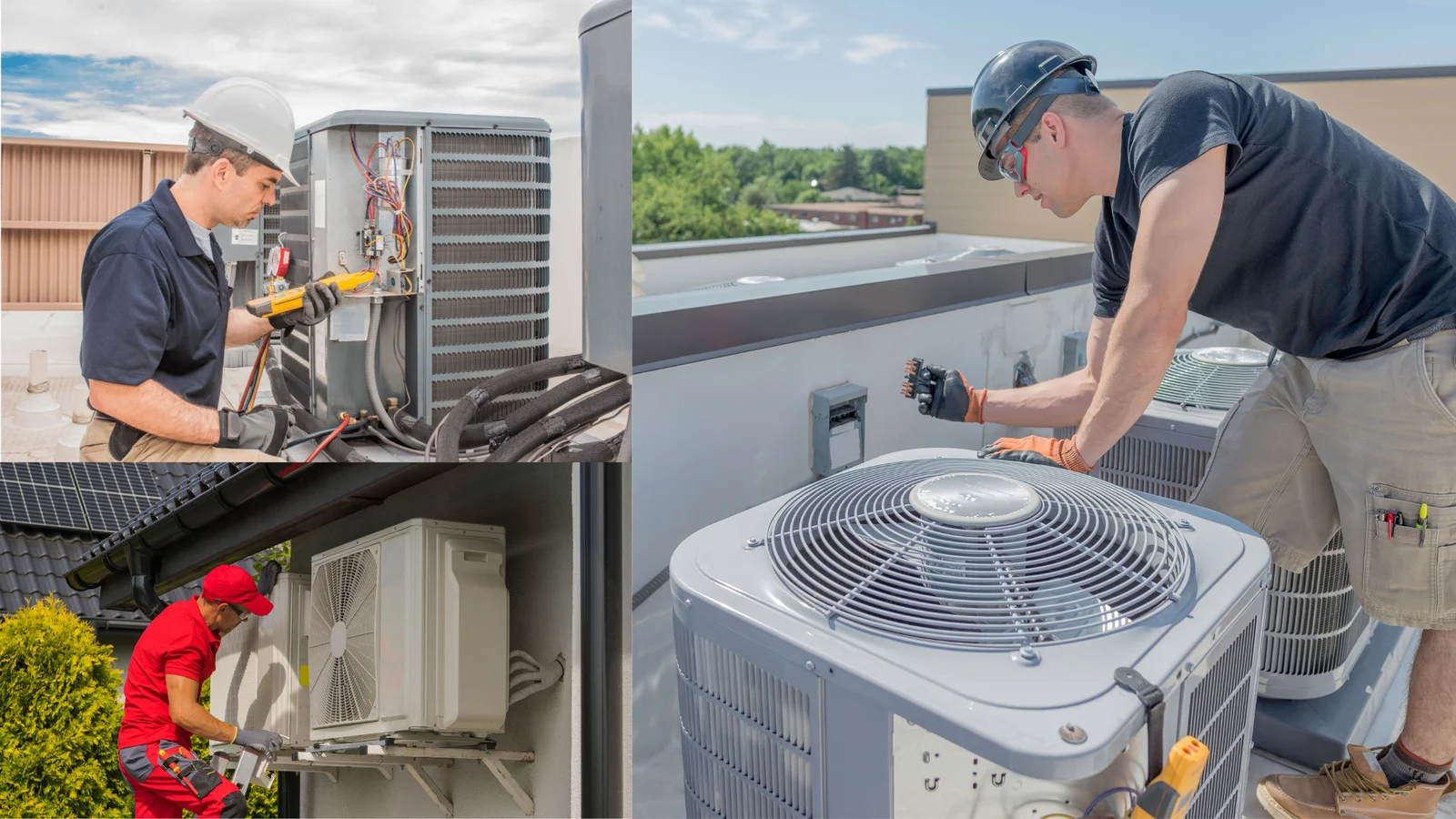
3. Refrigerant problems
Refrigerant issues can cause an air conditioning system to lose cooling capacity. A low refrigerant level may indicate a leak or another problem that requires professional attention.
Common signs include insufficient cooling, longer operating cycles, ice formation on certain components, or noticeable changes in system performance.
During preventive service, technicians can inspect the system for signs of refrigerant-related problems and identify potential leaks or other abnormalities. Addressing the cause early is preferable to repeatedly adding refrigerant without determining why the level has changed.
4. Electrical component failures
Commercial HVAC equipment contains numerous electrical components, including capacitors, contactors, relays, wiring, disconnects, and control components.
Normal operation and vibration can gradually affect electrical connections and components. A damaged connection or failing component may cause intermittent operation, poor performance, or a complete system shutdown.
Preventive inspections allow technicians to check electrical components and identify signs of wear, overheating, corrosion, or loose connections. Finding these issues during scheduled service can reduce the likelihood of an unexpected failure during peak operating hours.
5. Thermostat and control problems
Modern HVAC systems depend heavily on thermostats, sensors, zoning controls, and automation systems. If a sensor provides inaccurate information or a control component malfunctions, the equipment may not respond correctly to the building's actual conditions.
A business may experience rooms that are too warm or too cold even though the HVAC equipment appears to be operating.
Maintenance provides an opportunity to check thermostats and controls, verify settings, and make sure the system responds properly to temperature demands. For larger commercial buildings, proper control operation can also improve zoning and energy management.
6. Drainage and condensate issues
Air conditioning systems naturally produce condensate during the cooling process. That moisture needs to drain away properly.
If a condensate drain becomes clogged, water can accumulate inside or around the HVAC equipment. Depending on the system and location, this can lead to water damage, unpleasant odors, biological growth, or safety-related shutdowns.
During maintenance, technicians inspect condensate drains, pans, pumps, and related components. Cleaning the drainage system helps prevent minor blockages from becoming a larger problem.
7. Worn belts, bearings and moving components
Commercial HVAC systems often contain motors, fans, belts, bearings, and other moving parts. These components experience mechanical wear over time.
A worn belt may slip or break. A damaged bearing can produce unusual noise or vibration. A motor operating under excessive stress may eventually fail.
Maintenance allows technicians to inspect moving components and look for signs of wear before they cause a major disruption. Depending on the equipment, lubrication, adjustment, cleaning, or replacement may be recommended.
8. Poor indoor air quality
HVAC maintenance also affects indoor air quality. Dust, dirt, moisture, clogged filters, and poorly maintained ventilation components can contribute to an uncomfortable indoor environment.
This is especially important in offices where employees spend many hours indoors. Effective office HVAC maintenance can help keep filtration and airflow systems operating properly while supporting a cleaner, more comfortable workplace.
Restaurants, retail stores, medical facilities, and other commercial buildings may have additional ventilation requirements. Maintenance should take those operating conditions into account rather than treating every property in exactly the same way.
9. Uneven heating and cooling
If one room is comfortable while another is consistently too warm or too cold, the problem may involve airflow, ductwork, controls, equipment performance, or zoning.
Uneven temperatures are sometimes dismissed as a minor inconvenience, but they can indicate that the system is not operating as intended. Regular inspections can reveal restricted ducts, dirty components, failing dampers, incorrect settings, or other factors affecting air distribution.
Resolving these problems can improve comfort without necessarily requiring complete HVAC replacement.
10. Unexpected system breakdowns
The biggest advantage of preventive maintenance is reducing the likelihood of sudden equipment failure.
No maintenance program can guarantee that an HVAC system will never break down. However, routine inspections give technicians a chance to identify worn parts, performance changes, and developing problems before they become emergencies.
This is particularly valuable for businesses because HVAC failures can affect more than comfort. A failed system can disrupt employees, customers, production, inventory, food service, or normal business hours.
How often should commercial HVAC Maintenance be performed?
The ideal maintenance schedule depends on the equipment, building type, operating hours, indoor environment, and manufacturer's recommendations.
Many commercial systems benefit from at least seasonal inspections, particularly before periods of heavy heating or cooling demand. Properties with demanding operating conditions may require more frequent service.
A professional technician can recommend a maintenance schedule based on the actual condition and workload of the equipment rather than relying on a one-size-fits-all approach.
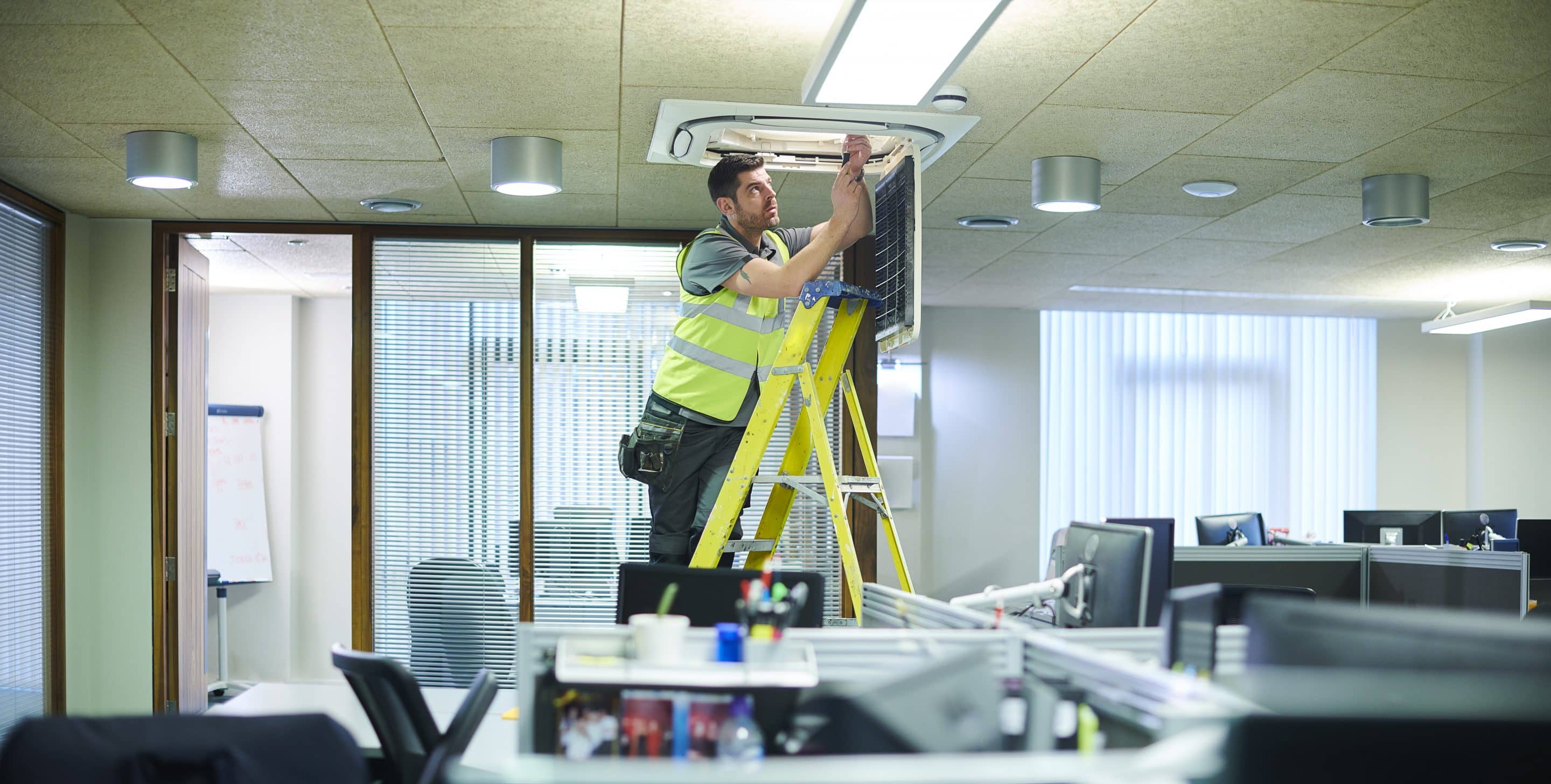
The most expensive HVAC problem is often the one that could have been identified earlier. A dirty filter, worn belt, clogged drain, or deteriorating electrical connection may initially seem insignificant. If ignored, however, it can contribute to reduced efficiency, poor comfort, equipment damage, or an unexpected shutdown.
Regular commercial HVAC maintenance helps businesses stay ahead of these problems. It supports dependable operation, improves system efficiency, and allows property owners to plan repairs instead of reacting to emergencies.
Atlantic Mechanical LLC provides professional HVAC maintenance and service for commercial properties throughout New York. Whether you manage an office, restaurant, retail store, warehouse, or another commercial facility, routine maintenance can help protect your HVAC investment and keep your business comfortable in every season.
A proactive approach is simple: inspect the system regularly, address small problems early, and keep the equipment operating the way it was designed to operate. In the long run, preventive maintenance can be far less costly than waiting for a complete HVAC failure.