
How to reduce AC repair costs
Commercial air conditioning is one of those systems businesses rarely think about until something goes wrong. When an AC unit stops cooling in the middle of a hot summer day, the priority is getting it running again as quickly as possible. Unfortunately, emergency repairs can be expensive, especially when a small problem has already developed into a major equipment failure.
The good news is that many commercial AC repair costs can be reduced with the right approach. Regular maintenance, timely repairs, proper system operation, and professional inspections can help prevent minor issues from turning into costly breakdowns.
For businesses in New York, Atlantic Mechanical LLC provides commercial HVAC repair, maintenance, installation, and replacement services designed to keep cooling systems operating reliably.
Why Commercial AC Repairs become expensive
Not every AC repair is expensive. The cost usually increases when a problem is ignored for too long or when multiple components fail at the same time.
For example, a worn belt may initially cause unusual noise and reduced airflow. If it breaks completely, the system may stop operating. A dirty coil may reduce efficiency for months, forcing the equipment to run longer. Eventually, the additional strain can contribute to problems with other components.
This is why addressing small problems early is one of the simplest ways to control HVAC expenses.
Schedule preventive AC maintenance
Regular maintenance is one of the most effective ways to reduce unexpected repair costs.
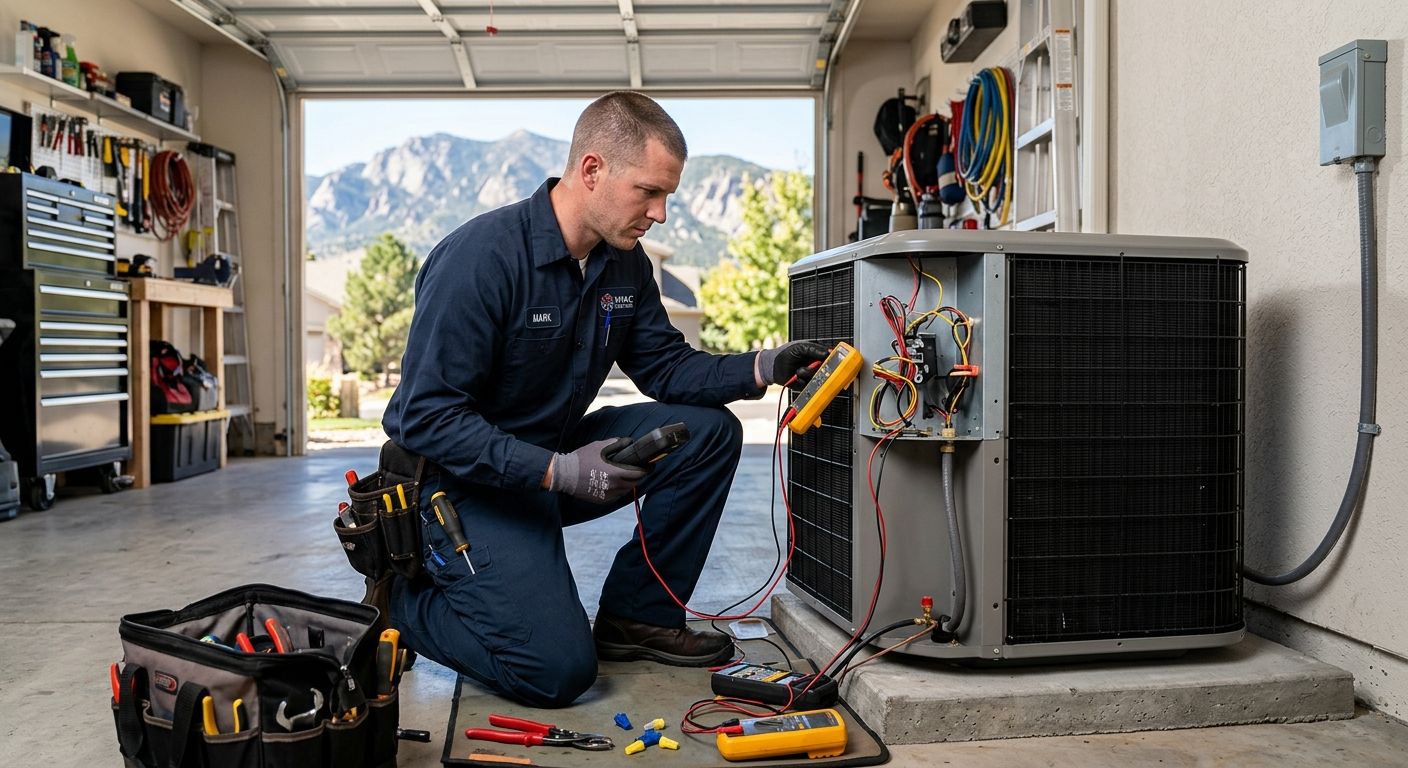
During a professional maintenance visit, technicians can inspect the equipment, clean important components, check electrical connections, evaluate airflow, inspect condensate drainage, and identify signs of wear.
Maintenance does not guarantee that an AC system will never break down, but it can significantly improve the chances of finding problems before they become emergencies.
A preventive maintenance schedule is especially valuable for commercial properties where air conditioning operates for long hours and a shutdown can interfere with normal business operations.
Replace air filters regularly
Air filters are inexpensive compared with most HVAC components, but they can have a significant effect on system performance.
When a filter becomes clogged with dust and debris, airflow is restricted. The AC system may need to work harder and run longer to deliver the desired temperature. Over time, this additional strain can contribute to premature wear.
The correct filter replacement schedule depends on the building, filter type, occupancy, indoor air quality, and operating conditions. Restaurants, workshops, and busy commercial spaces may require more frequent attention than lightly occupied offices.
Checking filters should be a routine part of commercial HVAC care.
Don't ignore small warning signs
A commercial AC system often provides clues before a serious failure occurs.
Pay attention to:
- Unusual buzzing, rattling, or grinding sounds
- Weak or inconsistent airflow
- Water around the indoor equipment
- Unusual odors
- Longer cooling cycles
- Frequent system shutdowns
- Rooms that no longer reach the desired temperature
- Unexpected increases in energy consumption
None of these symptoms should automatically be interpreted as a major equipment failure. However, they deserve professional attention.
Early commercial AC troubleshooting can help determine whether the problem is caused by a simple maintenance issue or a component that needs repair.
Keep condensate drains clear
Air conditioning systems remove moisture from indoor air during the cooling process. That moisture needs to drain away through a condensate system.
When the drain becomes clogged, water may back up and cause leaks, unpleasant odors, equipment shutdowns, or damage to surrounding areas.
Regular maintenance can help keep condensate drains and pans clear. This is a relatively simple preventive task compared with dealing with water damage or replacing damaged HVAC components.
Keep outdoor units clean and unobstructed
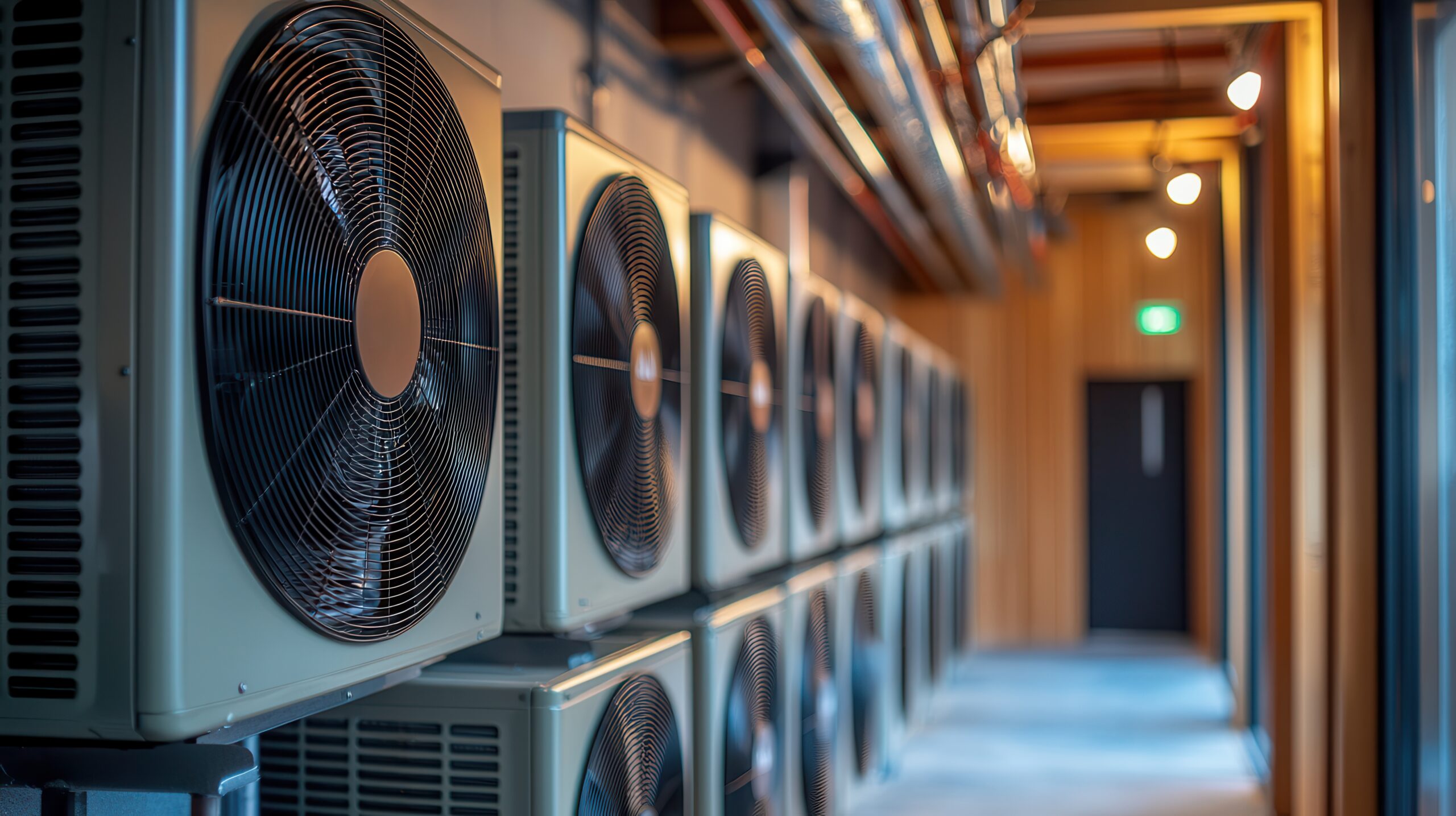
For systems with outdoor condensers, the area around the unit should remain clear.
Leaves, grass, dirt, trash, and other debris can restrict airflow through the condenser. When the unit cannot release heat effectively, cooling performance may decline and the system may operate under additional stress.
Businesses should keep landscaping and stored materials away from HVAC equipment. A technician should also inspect and clean the condenser as part of regular maintenance.
Do not ignore refrigerant problems
Low refrigerant is not simply something that should be topped off repeatedly.
If the refrigerant level is low, there may be a leak or another underlying issue. Continuing to operate the system without addressing the cause can reduce cooling performance and potentially put additional strain on the equipment.
If your AC is not cooling properly, a professional technician can inspect the system, identify the source of the problem, and recommend the appropriate repair.
Addressing refrigerant issues early can prevent a relatively manageable problem from developing into a more expensive repair.
Pay attention to energy bills
Energy costs can provide useful information about the condition of an HVAC system.
If electricity consumption suddenly increases while building occupancy, operating hours, and weather conditions remain relatively similar, the AC system may be losing efficiency.
Several issues can cause higher energy use, including dirty coils, restricted airflow, failing motors, refrigerant problems, poor controls, or aging equipment.
Monitoring energy consumption does not replace professional diagnostics, but it can help identify changes in system performance that deserve investigation.
Use the HVAC System correctly
How a commercial AC system is operated can affect both performance and repair costs.
Constantly changing thermostat settings, blocking supply or return vents, ignoring unusual noises, or allowing doors and windows to remain open while the AC is running can increase system workload.
Employees should also know where thermostats and controls are located and understand which settings they are authorized to change. For larger properties, centralized controls can help prevent unnecessary adjustments.
Simple operational habits can reduce stress on the equipment and help maintain more stable indoor temperatures.
Repair problems instead of replacing equipment too early
Reducing repair costs does not always mean buying new equipment.
If a relatively modern AC system has a minor component failure, replacing the entire unit may be unnecessary. A professional diagnosis can determine whether the problem can be corrected with a targeted repair.
On the other hand, repeatedly repairing an old system may eventually become more expensive than replacement. When equipment has frequent failures, high energy consumption, outdated components, and declining performance, investing in a new system may provide better long-term value.
The decision should be based on the system's age, condition, repair history, operating costs, and expected remaining service life.
Don't wait for peak summer
One of the easiest ways to make AC repairs more stressful is waiting until the hottest days of the year.
During periods of extreme heat, HVAC contractors can become extremely busy. A problem that might have been addressed quickly during the off-season can become an urgent repair when temperatures are at their highest.
Scheduling inspections and maintenance before peak cooling season gives technicians an opportunity to identify potential problems and allows businesses to plan repairs around their operating schedules.
Know when professional help is necessary
Some basic maintenance tasks can be handled by building personnel, such as checking filters or keeping the area around outdoor equipment clear. More complex issues should be left to qualified HVAC technicians.
Electrical problems, refrigerant leaks, compressor issues, unusual mechanical noises, and repeated system shutdowns require professional diagnosis.
Attempting to repair these problems without the necessary training can cause additional equipment damage and create safety risks. A professional inspection can often identify the actual cause faster and prevent unnecessary part replacements.
When repairing is no longer the most economical option
Sometimes the best way to reduce long-term AC costs is to stop repairing an aging system.
If an old unit requires frequent repairs, operates inefficiently, struggles to cool the building, and has expensive or difficult-to-source replacement parts, continued repairs may only postpone the inevitable.
A planned replacement allows a business to select appropriately sized equipment, compare efficiency options, schedule installation at a convenient time, and avoid the disruption associated with an unexpected failure.
Commercial AC repair costs are much easier to manage when problems are addressed before they become emergencies.
Regular maintenance, clean filters, unobstructed outdoor units, proper airflow, timely inspections, and professional repairs can all contribute to more reliable operation. Just as importantly, businesses should monitor system performance and act when something changes.
Atlantic Mechanical LLC provides commercial HVAC repair, maintenance, installation, and replacement services throughout New York. Whether your system needs a minor repair or a complete evaluation, professional service can help identify the problem and determine the most practical solution.
The goal is not simply to spend less on individual repairs. It is to keep the entire HVAC system operating reliably while avoiding unnecessary energy consumption, premature equipment wear, and costly emergency breakdowns.